
Buying Property in Mallorca as a Foreigner: The Complete Guide (2026)
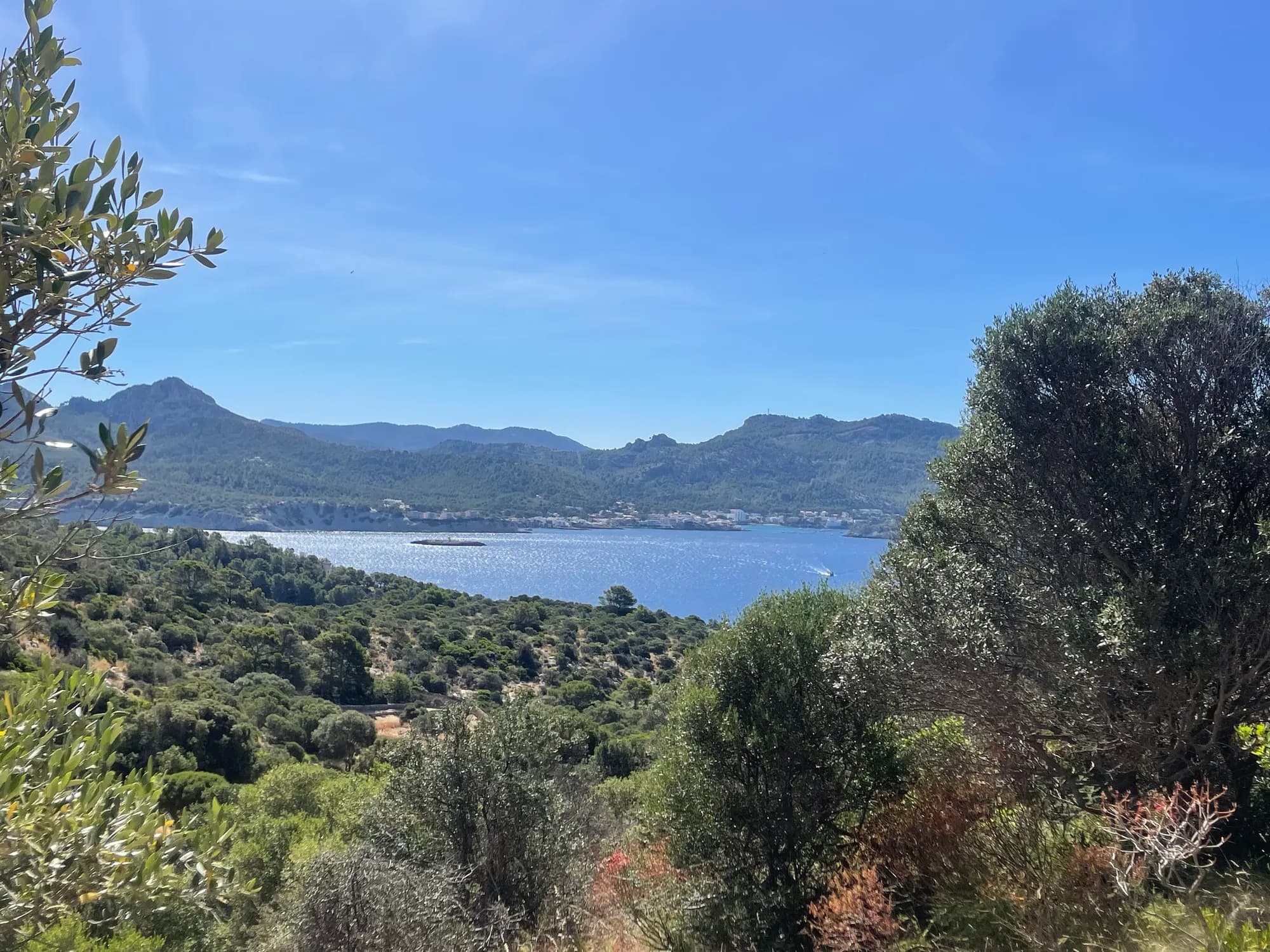
Mallorca has long been one of Europe's most sought-after destinations for international property buyers, and for good reason. A Mediterranean climate, world-class infrastructure, stunning landscapes, and a strong international community make the island a compelling choice whether you are looking for a holiday home, a permanent residence, or a long-term investment. Buying property in Mallorca as a foreigner is entirely possible regardless of your nationality, and this guide walks you through exactly how it works, step by step.
In this article you will find: the legal requirements for foreign buyers, a full step-by-step breakdown of the buying process, costs and taxes, the best areas to buy, and the most common mistakes to avoid.
Can Foreigners Buy Property in Mallorca?
Yes, without restriction. Spain's property market is fully open to international buyers of all nationalities. There are no minimum purchase values, no nationality-specific quotas, and no caps on how many properties a foreign buyer can own.
It is worth noting that Spain's Golden Visa programme came to an end in April 2025. Purchasing property in Mallorca no longer provides a direct route to Spanish residency. If you are thinking about relocating after your purchase, our guide on living in Mallorca after buying a property covers everything you need to know.
What You Need Before You Start Buying Property in Mallorca
Before you can sign any contracts or complete any legal transactions in Spain, every foreign buyer needs three things in place.
The NIE Number
The NIE (Número de Identificación de Extranjero) is the tax identification number issued by the Spanish authorities to all foreign nationals. Without it, you cannot:
- Sign a purchase deed
- Pay property taxes
- Open a Spanish bank account
- Connect utilities in your name
It is the single most important administrative step for any foreign buyer and needs to be arranged before the process can move forward. Read more in our guide on the NIE in Spain, or get in touch with our team and we will handle it for you.
A Spanish Bank Account
A Spanish bank account allows you to pay taxes, cover notary and registry fees, set up utility direct debits, and manage ongoing property costs. Spanish banks work with non-resident buyers, though they require a specific set of documents. If you are unsure what to prepare, reach out here and we will guide you through it.
An Independent Lawyer
Every foreign buyer should instruct an independent Spanish property lawyer, one with no connection to the seller, the developer, or the estate agent. Your lawyer reviews every contract, conducts due diligence, verifies ownership, and checks for outstanding debts or planning irregularities. Let us connect you with a trusted lawyer from our network.
Buying property in Mallorca?
Expert legal guidance for international buyers.
Step-by-Step: How to Buy Property in Mallorca
Here is how a typical property purchase in Mallorca unfolds from start to finish.
Step 1: Find the Right Property
Work with a local estate agent who knows the market well. A significant portion of properties, particularly in the luxury segment, never appear on public portals and are only available through established local agencies.
Step 2: Make an Offer
Your agent presents a formal offer to the seller. If accepted, the process moves forward. Nothing is legally binding at this stage, but due diligence should begin immediately.
Step 3: Sign the Reservation Contract
A reservation contract (contrato de reserva) takes the property off the market while legal checks proceed. It comes with a small refundable deposit, typically between €3,000 and €10,000.
Step 4: Sign the Contrato de Arras
The contrato de arras is the main private purchase contract, fixing the price, completion date, and conditions of sale. The buyer pays a deposit of typically 10% at this stage. It is a serious commitment on both sides:
- If the buyer withdraws, they forfeit the deposit
- If the seller withdraws, they must return double the deposit
For a full breakdown of risks and key clauses, read our guide on the contrato de arras.
Step 5: Legal Due Diligence
Your lawyer conducts a thorough legal review, confirming:
- The seller is the legitimate owner
- No outstanding debts or mortgages are attached to the property
- All planning permissions are in order
- The property complies with local urban regulations
A key document here is the Nota Simple, a Land Registry report confirming ownership and listing any charges on the property.
Step 6: Arrange Financing (If Needed)
Spanish banks lend to non-resident buyers up to 60% to 70% of the property's assessed value, with terms of up to 20 to 25 years. Seek pre-approval before making an offer. Speak to our team if you need guidance on your options.
Step 7: Sign at the Notary (Escritura Pública)
Completion takes place at a Spanish notary's office, where both buyer and seller sign the official deed of sale. The remaining balance is transferred at this point along with all taxes and fees. If you cannot be present, your lawyer can act through a notarised power of attorney (poder notarial).
Step 8: Register the Property
Your lawyer submits the deed to the Land Registry (Registro de la Propiedad) to formally register you as the new owner, giving your ownership full legal protection under Spanish law.
A question about your situation in Mallorca?
Personal response within one business day.
Costs and Taxes When Buying Property in Mallorca
The purchase price is only part of what you will pay. Budget carefully for the following:
For resale properties:
- Transfer Tax (ITP): 8% to 13% progressive scale
- Notary, Land Registry, and legal fees
For new build properties:
- 10% VAT (IVA) plus 1.5% Stamp Duty
- Notary, Land Registry, and legal fees
As a general rule, plan for total purchase costs of between 11% and 15% on top of the agreed purchase price. For the full breakdown, read our guide on costs and taxes when buying property in the Balearic Islands, or get in touch for a personalised estimate.
New Build vs. Resale: Which Is Right for You?
| Resale | New Build | |
|---|---|---|
| Character and location | Established, more variety | Often peripheral or developing |
| Tax | ITP 8% to 13% | 10% VAT + 1.5% Stamp Duty |
| Warranties | Limited | Developer warranty included |
| Energy standards | Varies | Modern, EU-compliant |
Best Areas to Buy Property in Mallorca
Palma
The capital offers year-round city life, full infrastructure, international schools, and strong rental demand. A top choice for buyers seeking both lifestyle and investment potential.
Southwest: Andratx, Santa Ponsa, and Portals
The most prestigious and competitive zone on the island. Villas, sea views, and proximity to Mallorca's finest marinas. Prices here are among the highest on the island.
North: Pollença and Alcúdia
Quieter and more authentic, with dramatic scenery and beautiful bays. A firm favourite among Northern European buyers seeking a second home with genuine local character.
Southeast: Santanyí and Felanitx
Golden stone villages, clear waters, and a relaxed pace of life. Growing interest from German and Scandinavian buyers in recent years.
Interior and Northwest: Sóller and Valldemossa
Some of the most distinctive properties on the island, in limited supply. Sóller and Valldemossa consistently attract buyers looking for something truly special.
Common Mistakes Foreign Buyers Make in Mallorca
- Rushing the process. Skipping or shortening due diligence to secure a deal can lead to serious and costly problems.
- Using a lawyer connected to the seller or agent. Your lawyer must be fully independent.
- Underestimating total costs. The real outlay is typically 11% to 15% above the purchase price.
- Not checking holiday rental licence rules. Not all properties qualify, and rules vary by municipality. Always investigate before buying.
For the full list, read our guide on the 10 most common mistakes when buying property in Mallorca. And if you want to make sure you are not making any of them, talk to our team before you commit.
Frequently Asked Questions
- Can a non-resident buy property in Mallorca?
- Yes. Foreign nationals of any nationality can buy freely with a NIE number and no residency requirement. Need help getting your NIE sorted? We can take care of it.
- How long does the buying process take?
- Typically six to ten weeks from accepted offer to completion, in straightforward cases. Complex cases involving rural properties or planning issues can take longer.
- Do I need a lawyer to buy property in Spain?
- Not legally required, but very strongly recommended. Related article: Do I Need a Lawyer to Buy Property in Spain?
- What taxes do I pay when buying in Mallorca?
- Resale properties: ITP at 8% to 13%. New builds: 10% VAT plus 1.5% Stamp Duty. Add notary, Land Registry, and legal fees on top. Total additional costs: 11% to 15%. Full breakdown in our guide on costs and taxes when buying in the Balearic Islands.
- Can foreigners get a mortgage in Spain?
- Yes, up to 60% to 70% of assessed value, with terms of 20 to 25 years. Seek pre-approval early. Our team can help you navigate your options.
- Does buying property in Mallorca give me residency?
- No, not since the Golden Visa ended in April 2025. Our guide on living in Mallorca after buying a property explains your residency options in full.
How KJ Can Help You
Buying property in Mallorca as a foreigner is a well-trodden path, and with the right team around you it is a smooth and rewarding one. The legal framework is clear, the market is open, and Mallorca continues to offer some of the most compelling real estate opportunities in Europe.
At KJ, we work exclusively with international buyers and bring together the legal, financial, and local expertise you need to purchase with confidence. Whether you are just beginning your search or ready to move forward, get in touch with our team today and let us take it from there.